Senator wants to study suicide in construction

U.S. Sen. Catherine Cortez Masto (D-Nev.)
U.S. Sen. Catherine Cortez Masto (D-Nev.) introduced a bill on Aug. 8 to study the prevalence of construction worker deaths by suicide and to better understand the mental health crisis the industry faces.
The Constructing the Path to Suicide Prevention Act, Senate Bill 5327, would authorize U.S. Secretary of Health and Human Services Robert F. Kennedy Jr. to conduct a national study through The Centers for Disease Control and Prevention.
The proposed legislation also calls for collecting data on suicide risk factors construction workers face, then creating prevention strategies.
Should the bill pass both chambers and be signed into law, the CDC would study construction worker suicides by looking at employment, organizational and individual factors such as demographic information, specific type of construction work, union membership, health plan coverage and history of substance abuse, mental health diagnoses or physical injury.
Within three years of passage, the Dept. of Health and Human Services Secretary must submit a report on policy recommendations to address mental health risk factors for construction workers, according to the bill text.
The Senate Bill was assigned to the Senate Committee on Health, Education, Labor and Pensions. Pete Ielmini, Executive Director of the Mechanical Insulators Cooperative Trust, advocated for Cortez Masto to introduce the bill.
“The Insulators LMCT applauds the efforts of Sen. Cortez Masto (D-NV) in advancing the interests of the construction industry,” he said. “The Senator is not only concerned for construction workers by creating work opportunities but has also been a staunch advocate for reducing suicide in many stressful occupations.”
Cortez Masto’s bill is needed in an industry where discussing suicide was taboo for decades, Ielmini added.
“Having pure data on the risk factors of construction would be a well-needed study,” said Ielmini. “It’s been shown that the construction industry faces unique challenges. Many studies have been done, but we are left trying to extract construction-related topics from general workplace issues. We welcome a study that begins in the construction industry and focuses on that culture.”
Sadly, the construction industry has one of the highest rates of suicide of any other industry.
According to the CDC, construction ranks second in occupations for deaths by suicide, with over 5,000 deaths per year. Suicide rates for male construction workers are almost twice as high as for working men overall, according to CDC data.
Recent data shows some progress, as suicide deaths among construction workers declined 4.3 percent from 2022 to 2024 (5,237 deaths to 5,008 deaths). But thousands of lives are still lost each year.
According to the Construction Industry Alliance for Suicide Prevention’s website, there are roughly three jobsite fatalities in construction per day on top of an estimated 10 to 12 suicides per day by construction workers.
A study released in 2025 found that in 2021, nearly 18 percent (almost one-fifth) of all suicides nationwide were by someone working in the construction industry, even though construction accounts for only 7.4 percent of the total workforce. Male construction workers also accounted for nearly all industry-related suicides (97.8 percent).
“This bill is very important to lower those numbers,” said IBEW Local 38 President Mike Shingary. “Anything that helps prevent tragedies is a huge win for the workers and their families.”
“It is critically important because it seeks to better understand the underlying causes driving these alarming rates,” said IUPAT DC 6 Business Manager/Secretary-Treasurer Jim Black. “By identifying the root causes, whether they involve workplace stress, long hours, job insecurity, chronic pain, substance use or barriers to accessing care, we can develop targeted, evidence-based solutions.”
While language in the proposed legislation specifically mentions union, the problem affects all construction workers.
However, Black and Pipefitters Local 120 Business Manager Ryan McCafferty both pointed out that the CDC data does not distinguish between union and non-union construction workers. “It affects workers across the industry, regardless of whether they belong to a union,” said Black.
McCafferty acknowledged there are similar risk factors for both non-union and union construction workers, including uncertainty of income, traveling long distances for work or long daily commutes, the ups and downs of employment, spending time away from home, bullying and discrimination.
The union construction industry has launched multiple initiatives to address suicide and mental health issues at the International, regional and Local Union levels. Shingary pointed to Local 38’s creation of a Member Assistance Program (MAP) over a year ago. “Our MAP has been gaining participants and is making a difference,” he said.
To help any member in need, Black noted that DC 6 offers Employee Assistance Programs to every Local Union throughout the Council. This is in addition to the International’s Helping Hands program.
For members of Pipefitters 120, the Local has offered VitalCog training to those interested. VitalCog is specialized training for union members to recognize early warning signs of suicide in the workplace and promote proactive mental health conversations.
Not only has the class been offered to journeymen, but it is also taught to apprentices. Local 120 has offered about a dozen classes, with members continuing to reach out the Local Office to be put on the waiting list for the next class, McCafferty said.
“It’s hard to break down the stigma and discuss the need for mental health awareness,” McCafferty said. “We have to move the needle and get it to the point where it’s okay to talk about these things. Like CPR, we hope we don’t need it, but when we use it, it could save a life.”
Editor’s note: If you or someone you know needs immediate help, please reach out to the Suicide & Crisis Lifeline by calling 9-8-8.
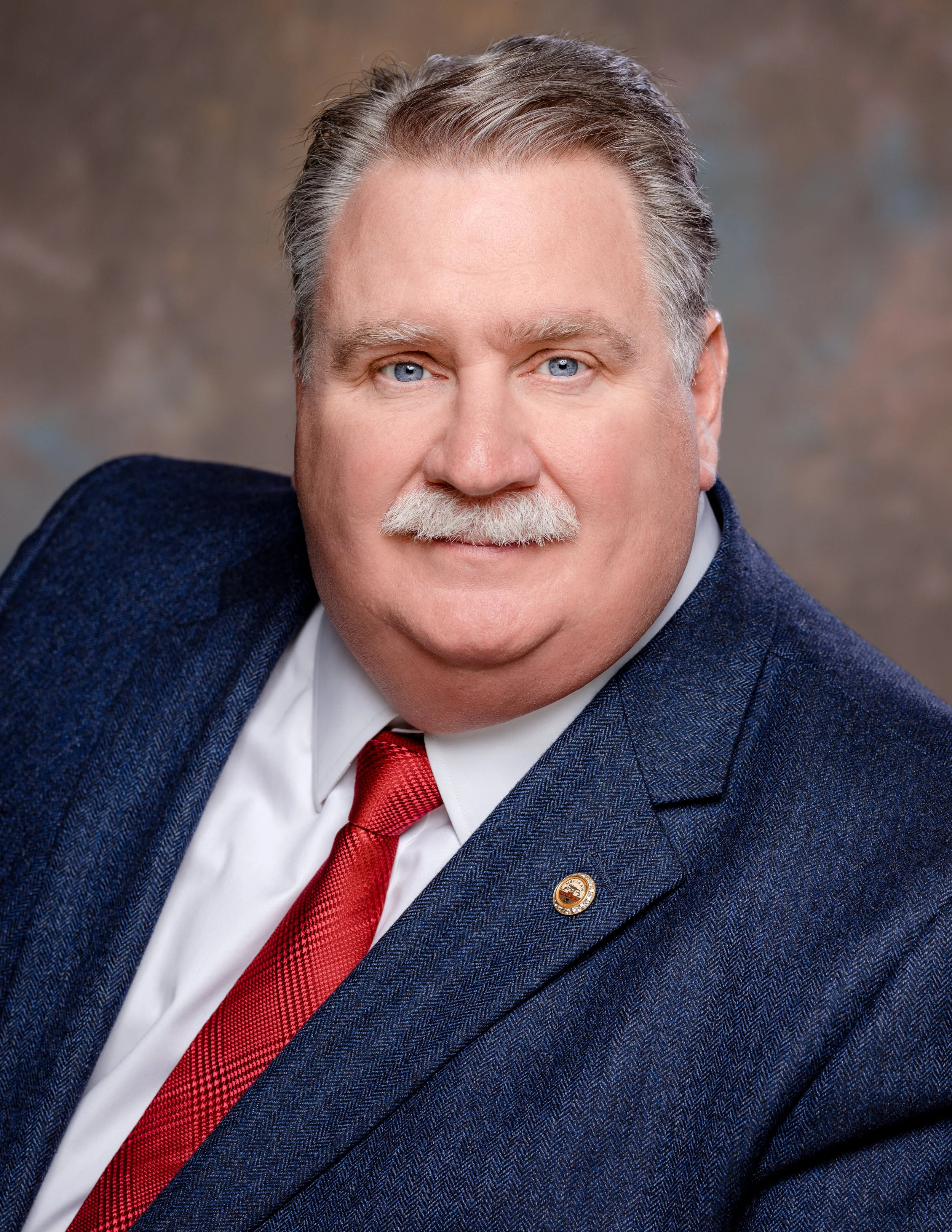
Pete Ielmini, LMCT